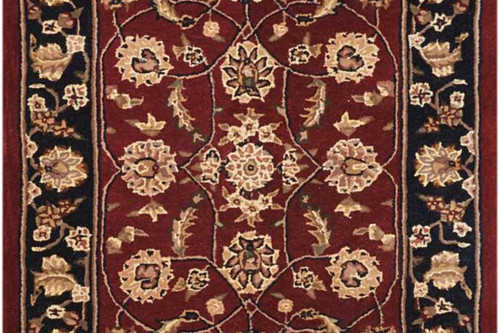
Stair Runners
Carpet
Stair runners: constructions, widths and how to spec one
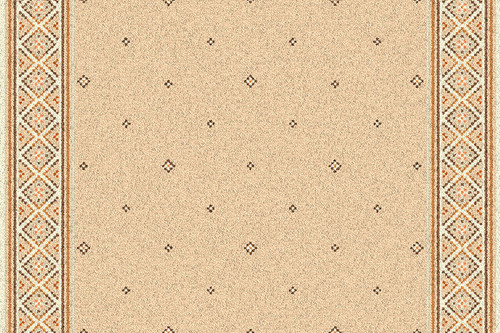
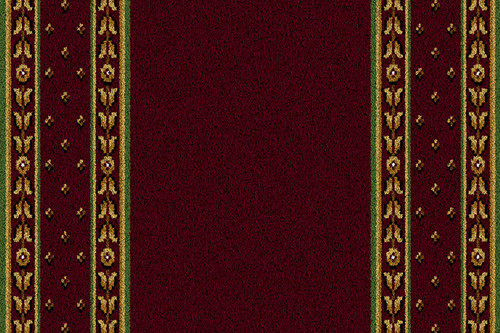
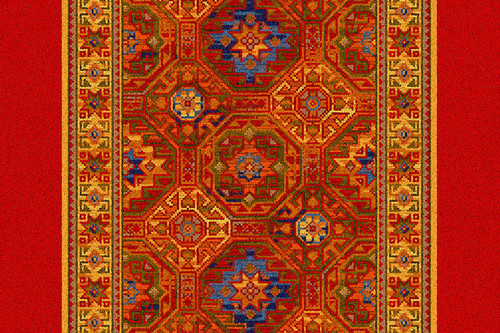
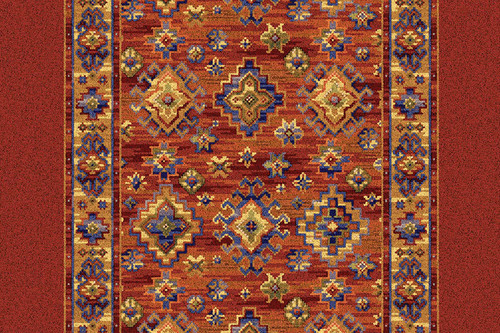
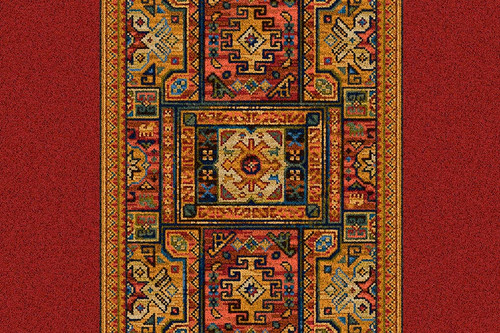
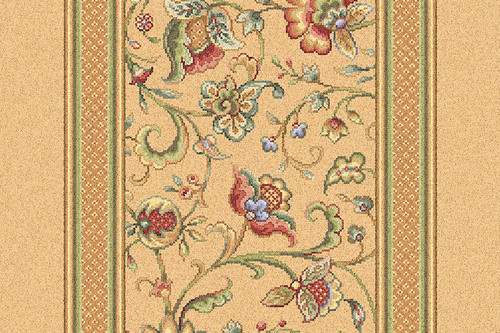
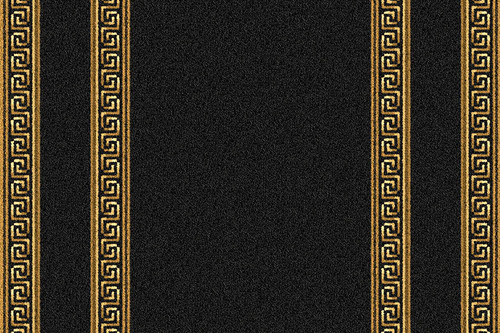
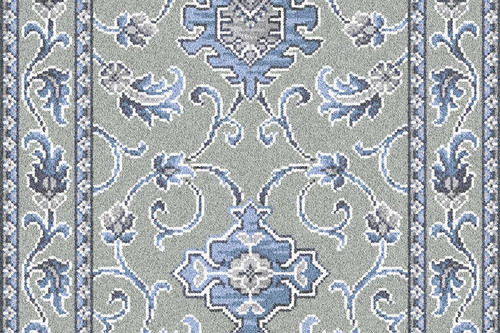
Stair runners are strips of carpet, usually 27 to 36 inches wide, fitted up the center of a staircase so the treads show on either side. They are cut from broadloom and bound at the edge, or woven to width at the mill with a finished selvedge. Interiors carries 65 dedicated stair runner styles and more than 3,600 broadloom styles that can be cut into a stair carpet runner, all for the trade, all shipped from the mill.
A runner from broadloom is cut from a 12 or 13 foot 2 inch roll at any width and finished with binding, serging or a fabric border, which is how a custom stair runner is made. A woven-to-width runner comes off the loom at 26 to 36 inches, most often 27, 32 or 36, often with a border woven in; Kane Carpet (19) and Couristan (10) make most of ours.
Constructions that work on stairs
Wilton (38 of our 59 runner styles), Axminster, flatweave and dense cut pile hold up because the yarn is locked into a woven back and the pile is short enough to bend over the nosing without opening. Loop pile snags on the nose and shows backing once bent; anything over 1/2 inch pile crushes on the tread and reads as a soft, unsafe edge. Keep pile at 1/4 to 1/2 inch.
Fibers
Wool (23 of the 59) is the standard: it hides soil, springs back and takes decades of traffic. Wool-nylon blends (14) add resilience for a family stair. Sisal looks right on a coastal stair but is slippery under a sock, so spec it only with a pad, a Hollywood install and a client who has been told. Solution-dyed nylon is the performance answer for rentals. The wool stair runner guide covers wool grades.
The 25 rule and safety
The 25 rule: the runner covers about 75 percent of the tread and leaves about 25 percent bare, split evenly between the two sides; on a 42 inch stair that is a 30 to 32 inch runner. Beyond width, safety is low pile, a firm pad, a fastening on every tread and a pattern that does not hide the nosing.
Pad
Use a dense felt or rubber pad, 3/8 inch or thinner, cut 2 inches narrower than the runner so the edges tack flat. A thick, soft pad is the usual cause of a runner that shifts; see the carpet pad for stairs guide.
Waterfall or Hollywood
Waterfall lets the runner fall from the nosing to the next tread with no tack under the nose; it is faster and suits a flatweave or thick wool. Hollywood wraps the runner over the nosing and tacks it under so each step's profile shows; it is cleaner for a cut pile and right for sisal. The stair runner installation guide covers both.
Landings and winders
A landing takes a field piece seamed at the top and bottom step. Winders, the pie-shaped treads on a turn, need each tread cut as its own piece with the pattern squared to the nosing. Order 10 to 15 percent extra and have the installer measure every tread.
Lead time
Woven-to-width runners ship from the mill in 2 to 6 weeks; a runner cut and bound from broadloom adds about a week; a fully custom runner runs 18 to 20 weeks after the strike-off. Samples ship within 24 hours to approved trade accounts and we measure and install anywhere in the country. For loose hall runners see runner rugs.
Is a stair runner a good idea?
Yes, on any wood stair a client uses daily. It quiets the stair, reduces slips and protects the treads and the wood stays visible.
What is the most durable type of stair runner?
A Wilton or Axminster woven wool, or a wool-nylon blend, at 1/4 to 1/2 inch pile over a firm pad. The woven back keeps the pile locked on the nose where tufted goods wear first.
Are stair runners still in style?
Yes. The current direction is narrower runners on wider stairs, flatweave stripes with a self-border and Hollywood installs. Pattern is back on traditional stairs.