Axminster
Construction
Axminster carpet: woven pattern without a color limit
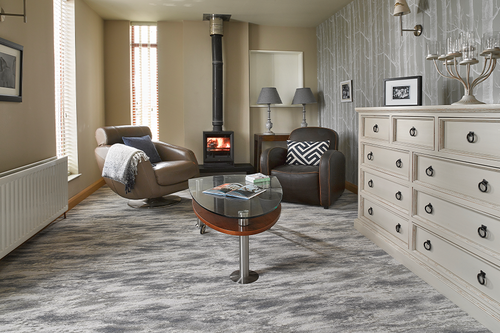
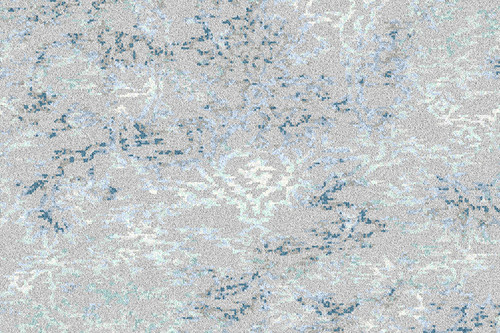
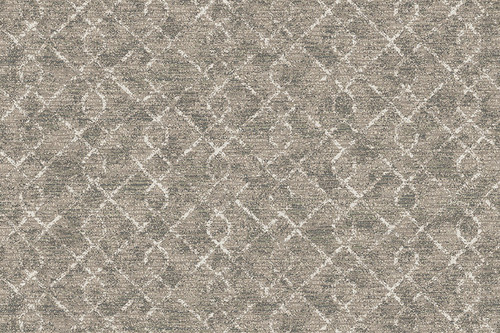
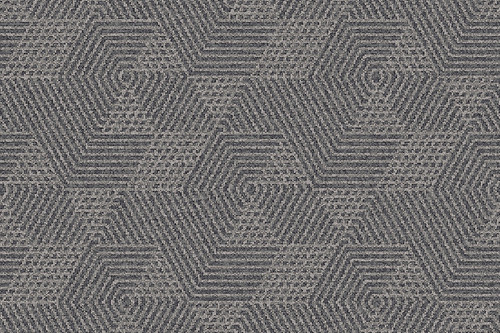
Axminster carpet is woven broadloom in which each tuft of cut pile is inserted and locked into the backing as the carpet is woven, so a pattern can carry an unlimited number of colors and still hold up in a hotel corridor. Interiors carries 254 Axminster styles, all wool blend, made to order and shipped from the mill, from Ulster Carpets (103), Brintons (93), Prestige Mills (24) and Bloomsburg Carpet (13).
Spec Axminster for large florals, Persian and Oushak patterns, damasks and anything with more than five or six colors, on stairs, halls, dining rooms and clubrooms. The standard yarn is 80 percent wool, 20 percent nylon, pile 1/4 to 3/8 inch, rolls 12 feet and 13 foot 2 inches. Bloomsburg's Dover, Rosecliff, Oxford and Inverness are the classic American Axminster patterns; axminster rugs are cut and bound from the same rolls through our Design Studio.
Where do Axminster carpets come from?
The weave takes its name from Axminster, Devon, where it was first produced in 1755. Today the construction is woven in the United States, Britain and Europe; Bloomsburg weaves in Pennsylvania.
What is considered high-end carpet?
Woven goods, meaning Axminster and Wilton, in wool or wool blend, sold through trade showrooms rather than retail. Weight, density and the mill matter more than the label.
Is carpet outdated in 2026?
No. Wall-to-wall is back in bedrooms, studies and stairs, usually in wool, with pattern doing the work that hard floors cannot. Carpet tiles and thin builder plush are what dated.
Which is better, Axminster or Wilton?
Wilton is denser and better for solids and patterns of up to five colors; Axminster is the choice for many-color patterns. On a stair either works. See patterned carpet for both.