Polypropylene
Fiber
Polypropylene rugs: the indoor-outdoor and pet-proof fiber
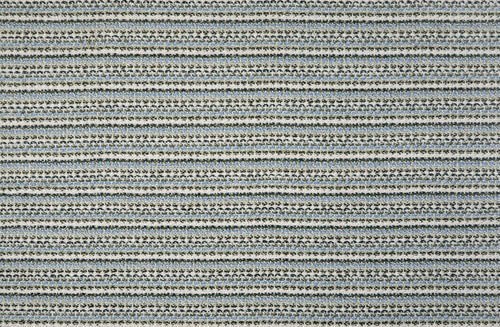
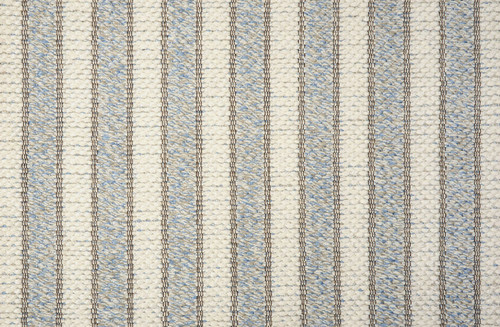
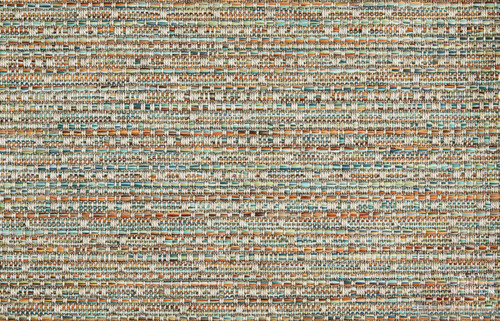
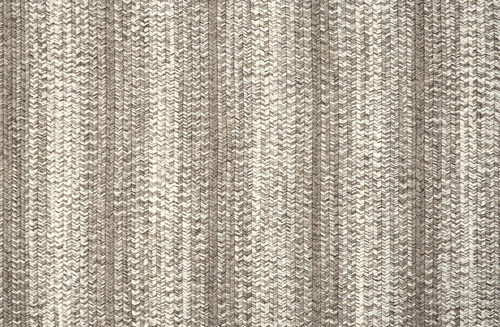
Polypropylene rugs, also sold as olefin rugs, are made from a solution-dyed synthetic fiber that does not absorb water, will not fade in sun and can be hosed off, which is why nearly every outdoor rug and most performance rugs are polypropylene. Interiors carries 771 polypropylene styles as rugs and broadloom, shipped from the mill, from Kane Carpet (289), Couristan (193), Stanton (119) and Prestige Mills (65).
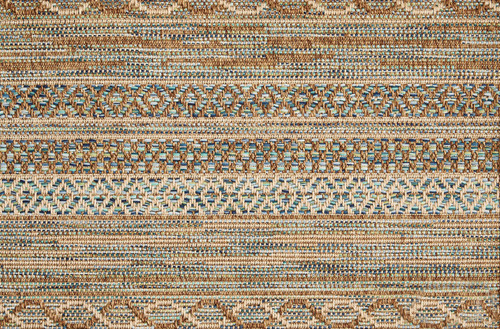
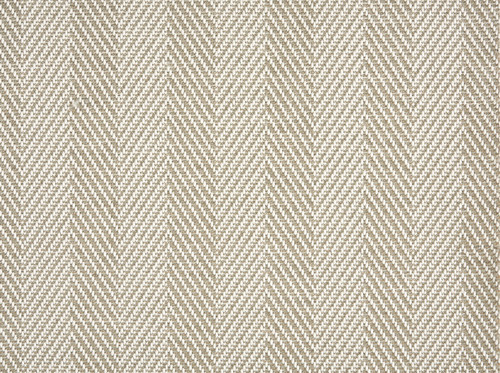
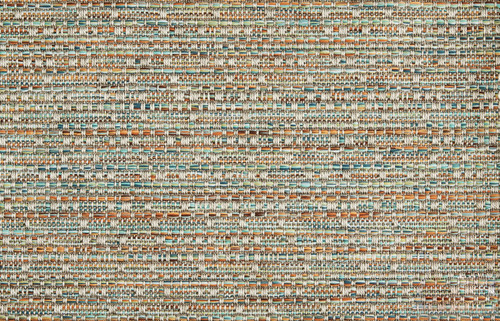
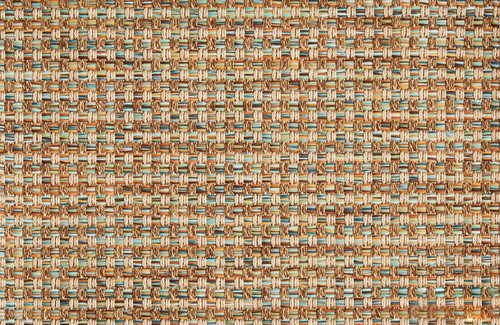
221 of the styles are machine woven, the printed-look indoor-outdoor rugs and the flat kitchen runners; 113 are Wilton, the patterned polypropylene carpet that Stanton and Couristan sell by the roll and we bind into polypropylene runner rugs; 102 are flatweave, Bloomsburg's Folly, Southport, Kiawah and Cabana among them, for a loggia or a dining terrace. 767 made to order and 4 custom.
Is polyester or polypropylene better for a rug?
Polypropylene for wear, water and sun; polyester for softness and color depth indoors.
What is the best material for a rug if I have pets?
Solution-dyed polypropylene or nylon, in a low flatweave or loop that claws cannot pull. Both clean with water and do not hold odor; wool is fine with a good pad but stains harder.
What do polypropylene rugs feel like?
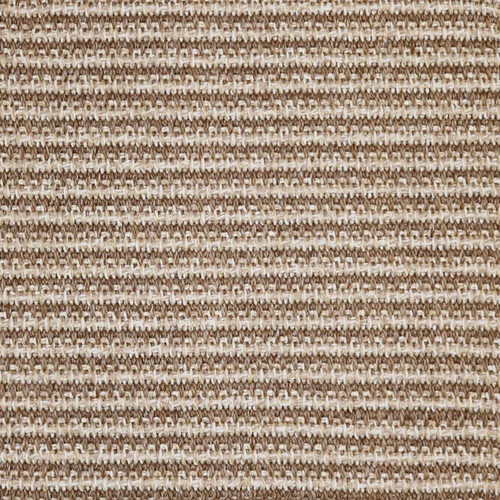
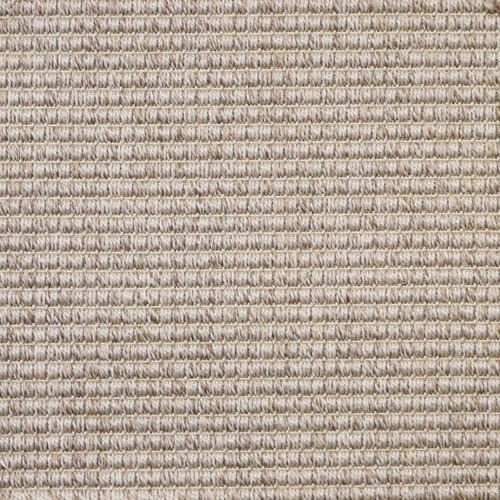
Slightly waxy and cool, smoother than wool, softer than sisal. The better machine woven styles at 1/4 to 3/8 inch pile feel close to a wool rug underfoot; flatweaves feel like a dense canvas.
What are the disadvantages of polypropylene carpets?
It crushes in a traffic lane over time, it holds oily stains and it melts rather than chars, so keep it away from a fireplace hearth. Compare with indoor outdoor carpet.